Manufacturer protection
When the roof qualifies, we help align the material package with manufacturer requirements so the protection being quoted is actually available.
- Product compatibility
- Ventilation and underlayment review
- Registration guidance
Materials, warranties, workmanship, ventilation, drainage, and insurance documentation all affect the real value of a roof. This page is meant to help you compare options without being pushed into the most expensive answer.
Typical lifespan depends on installation quality, roof pitch, ventilation, exposure, maintenance, and product tier. We confirm eligibility before quoting warranty language.
| System | Typical useful life | Best fit | Decision criteria |
|---|---|---|---|
| Architectural shingleResidential standard | Often 20–35 years depending on product and ventilation. | Homes, townhouses, additions, and steep-slope rooflines. | Good balance of cost, appearance, repairability, and warranty options. |
| Tile roofingPremium character | Can exceed 40 years when structure, underlayment, and flashing are right. | Architectural homes where weight and detail work are appropriate. | Requires careful structural review and stronger attention to underlayment life. |
| Metal roofingLong-term durability | Often 35–50 years with correct fastening, flashing, and coating. | Owners prioritizing durability, clean lines, snow shedding, and low maintenance. | Higher initial spend; details around penetrations and expansion matter. |
| Flat membraneLow-slope protection | Commonly 15–30 years by membrane type and maintenance discipline. | Commercial buildings, multifamily roofs, extensions, and roof decks. | Drainage, seams, parapets, HVAC, and access often drive the specification. |
| Commercial coatingRestoration path | Often 10–20 years when the existing roof is a qualified candidate. | Flat roofs with sound substrate, manageable seams, and no saturated assembly. | Not a cover-up for failure; moisture testing and prep determine value. |
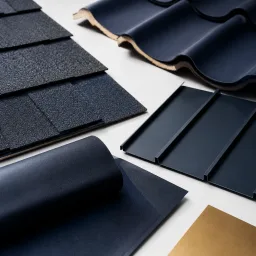
A warranty is not just a brochure line. It depends on compatible materials, installation standards, ventilation, registration, and a contractor willing to stand behind the workmanship.
When the roof qualifies, we help align the material package with manufacturer requirements so the protection being quoted is actually available.
Details such as flashing, fasteners, valleys, penetrations, and cleanup are treated as part of the roof system, not afterthoughts.
For repair work, we explain what the repair is expected to solve and what remains outside the scope because of roof age or surrounding conditions.

After storm damage, owners often receive mixed opinions from neighbors, adjusters, and contractors. We inspect the roof, photograph visible conditions, prepare written notes, and explain what the findings may mean before you approve any work.
We do not promise claim outcomes. We do help coordinate the roofing side of the conversation: damage notes, repair estimates, replacement scopes, and practical guidance when the claim documents are hard to interpret.
Inspection reports for wind, hail, leaks, and flashing movement.
Repair and replacement options presented side by side.
Transparent recommendations when a smaller repair is the more responsible choice.